


The job of a great product executive is to pick powerful priorities. This is not done by simply asking people what they want and giving it to them. You have to be clever both about who you ask and how you hear them.
What a person wants is never so interesting as why they want it. And some people have more interesting reasons to want something than others.
Some product execs call the process of understanding what users really want "finding the so that": User X wants Y, so that Z.
A product requirement that says, “The user needs a button,” doesn’t give a team much to work with. A more vivid requirement would say, “A person standing in the rain with a bag of groceries in one hand needs a button that’s easy to push, so that they can hail a taxi with their other hand.” With this level of detail, design and engineering might even come back with a solution that’s better than a button, because now they understand the situation and the goal.

Uber's Better But
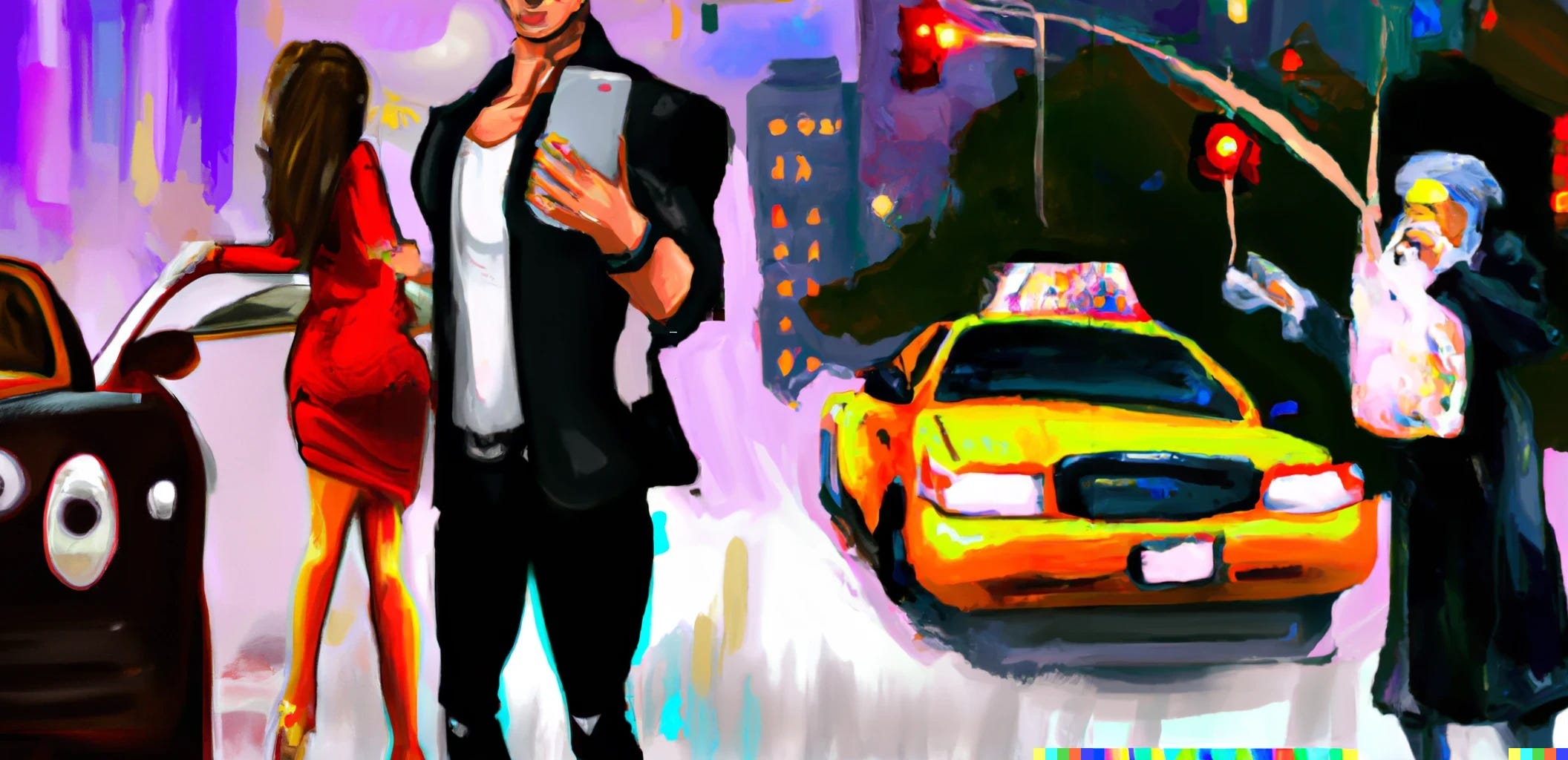
In a previous issue of the Two But Rule, we discussed how a team from retailer Best Buy created one of the first apps to track and hail taxis in 2008. They assumed users wanted to hail a ride, so that they could get home from work or get to the airport. Their focus was on relieving the stress of wondering where the car was while they waited. Nothing wrong with that, but...
Then Uber arrived on the scene in 2010. On the surface, it might seem like they were targeting the same problem. However, at least by some accounts, Uber got its start by focusing on a very different user -- one with a very different objective than simply getting a ride.
Push A Button, Get A Ride...Or Not
In 2010, smartphones were still very new. A taxi booked with one of the new ride-hailing apps would show up only about sixty percent of the time, and usually late. This situation was bad enough for someone trying to get a ride to the airport. But it was a complete mismatch for a different kind of user:
Dudes -- it was usually dudes -- at a party or nightclub needing a convenient ride to "my place or yours."
Both the person on the way to the airport and dude-at-a-party wanted the same thing: to push a button and get a ride. But Dude wanted to pull a ride out of the air with a fancy new iPhone – still a novelty in 2010 – so that the subject of his amorous intentions might be impressed enough to go home with him. And a broken-down Crown Victoria taxi with gum stuck to the seats showing up late wasn’t going to cut it.
All this left Uber with a new and different problem to solve, one that had little to do with the concerns of someone racing to the airport. Fortunately for Dude, there was another group with a problem of their own: Limo drivers.
Buts In Seats
In 2010, cities like San Francisco maintained local ordinances preventing limousines and black cars from picking up random passengers off the street. Only taxis could do that. Limo passengers had to book their transportation with a dispatcher in advance over the phone.
There were reasons for this. Taxis were required to charge lower, regulated fares designed to make rides affordable for lower income people. Also, taxi fleets were required to bear the cost of making a certain percentage of their cars wheelchair accessible. In exchange for this quasi-public/private partnership, cities restricted competition from limos and black cars, which had greater latitude in what they could charge. In San Francisco, the fine for a limo violating this rule and picking up random people off the street was two thousand dollars per incident.
Consequently, many limo drivers sat in their very nice cars, idling in parking lots waiting for a call from their dispatchers. They wanted to fill that wasted time with paying customers, but they couldn’t...but they could if Uber gave them a way to skirt the regulation and pick up rides in between their traditional bookings. #2buts
Connecting limo drivers with dude-at-a-party was a match made in gig-economy heaven.
Finding Patient Zero
Today, Uber’s main story is, “Get a Prius driven by some random guy for *usually* less than a taxi.” But in 2010, the story was, “Get a fancy limo for slightly more than a taxi…and maybe get lucky in the process.”
Uber quickly went from being a novelty for dude-at-a-party to handling a wide range of needs, including getting home from the grocery store and making it to the airport on time. But Dude was patient zero:
"Patient zero" is the most specific addressable target user that a new product can focus on. They are NOT the only user, not even the majority of early users. Patient zero is the user that will love the product so much that they tell everyone about it. And the best patient zero is well connected to adjacent users who will also love the product -- with zero (or minimal) changes to the product's features.
So instead of working fruitlessly to get drivers of dilapidated taxis to show up consistently, Uber easily got fancy limo drivers -- who were grateful for the work -- to show up on time, every time for a client base that was happy and able to pay a premium. That made it possible to provide an insanely great experience to people that could help the service go viral while minimizing early operating costs and enjoying higher revenue per ride.
This shows how the so-thats of different patient zeros can lead to different chains of buts. If patient zero for Uber had been a low income senior citizen in a wheelchair needing a ride home from the grocery store at a consistent, low price, so that they could have self-sufficiency, all sorts of other issues -- ones that cities have struggled with forever -- would have risen to the top of Uber's early priority list. Even today, a ride-sharing industry that employs surge pricing is clearly not yet prioritizing these users. That could be the subject of a whole 2But story of its own.
Was Uber a paragon of awesomeness in 2010, or was it cherry picking the cream of high-priced rides and leaving the rest to the struggling municipal taxi system? Either way you see it, you have to admit -- Uber really knew how to pick its but.